Ever wonder if YouTube a good career really is? You’re not alone. In India from Kolkata’s bustling creative scene to small towns many aspiring creators ask the same. YouTube promises creative freedom, global reach, and even fame, but it’s not without hard work and patience. At NexTech Ads India (a Kolkata-based advertising & marketing agency), we see enthusiastic creators every day. Let’s break down the reality: why YouTube can feel like a great career choice, what challenges you’ll face, and how to build a sustainable YouTube career step by step.
Why YouTube Feels Like a Great Career Choice
- Earn Money Doing What You Love: YouTube offers real revenue streams. Once you hit 1,000 subscribers and 4,000 watch hours, ad revenue kicks in. Beyond ads, you can make money from sponsorships, merch, memberships, and more. In short, with the right strategy and content, your passion can start paying the bills.
- Be Your Own Boss: There’s no boss breathing down your neck. You set your own schedule and make content on your terms. This independence no 9–5 office job is a huge draw. Of course, the “algorithm” is a tough client; consistency and planning become your new discipline.
- Build a Personal Brand: Every video builds your digital identity. If you’re into tech reviews, cooking, or dance, your channel becomes a mini-brand people follow. Brands notice this too a strong niche channel can lead to paid partnerships.
- Huge Audience in India: The potential reach is staggering. India has over 450 million YouTube users (you read that right!). Whether you create content in Hindi, English or regional languages, there’s a massive, engaged audience. (A recent YouTube report even called India a “Creator Nation” and noted 100 million Indian channels uploaded last year.)
- Potential Fame If You Hustle: The dream of fame is real. Many Indian creators have gone from zero to hero, building loyal fan bases. Keep in mind, though, fame takes work consistency beats overnight clout. But if it happens, it can be life-changing. (After all, Justin Bieber was discovered on YouTube!)
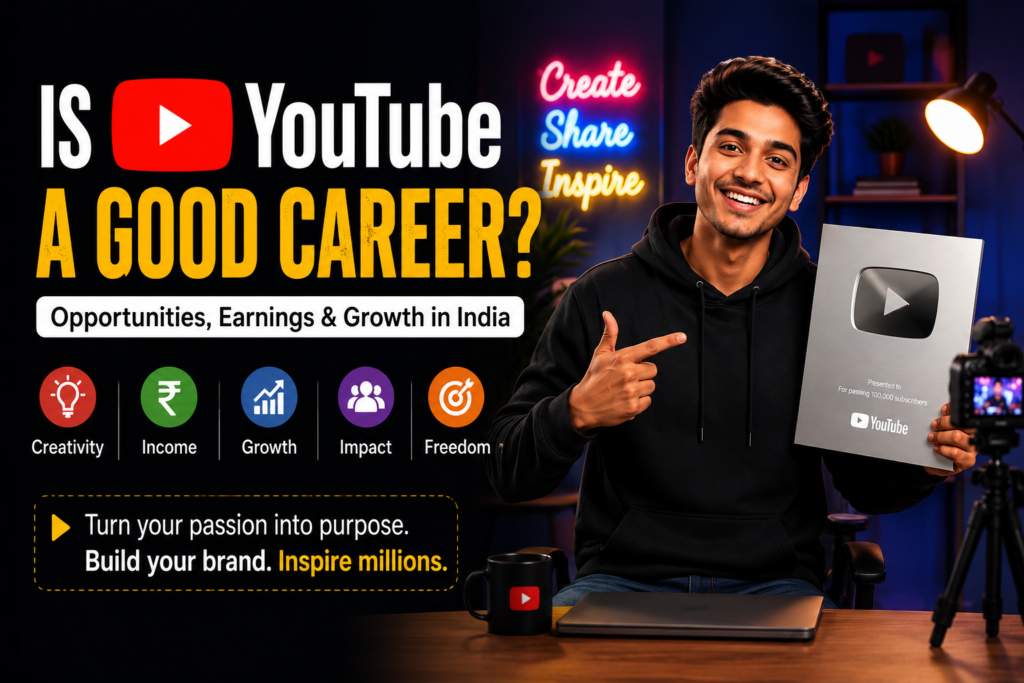
A creative home studio setup complete with camera gear and microphone shows why many Indian creators feel YouTube could be their dream job. With the right approach, a simple setup can turn into a revenue-generating channel.
Early Promotion: Learn from the Experts
Dreaming is great, but execution needs guidance. As one guide bluntly puts it, “hitting record isn’t enough most beginners stall because they’re winging it”. Instead of guessing, learn from those who’ve grown huge channels. Enroll in a YouTube course, watch tutorials, or follow creator blogs. Experts (and agencies like ours at NexTech Ads India) preach frameworks over fluff. For example, a WebVeda Creator Guide (by the team that grew Ankur Warikoo’s channel) promises “battle-tested strategy” for everything from choosing a niche to designing click-worthy thumbnails. In short: start with a proven roadmap and you’ll skip rookie mistakes.
Challenges of Building a YouTube Career in India
Of course, it’s not all sunshine. The road is full of obstacles. Here are some real challenges you should know:
Everyone’s Uploading
YouTube isn’t niche anymore everyone and their neighbor’s chaiwala has a channel. YouTube yourself when you scroll: millions of videos are uploaded daily. Standing out in this flood means pairing creativity with smart planning. You need a clear niche and strategic timing to avoid drowning in the noise.
Consistency Isn’t Just a Buzzword
Posting sporadically won’t cut it. YouTube’s algorithm rewards regular activity. Skip a few weeks, and your views can tank as if you vanished. In today’s landscape, a weekly video isn’t ambitious it’s expected. Yes, content calendars and routine really matter. (Side note: consistency builds trust. If viewers know you publish every Friday, they’ll hit subscribe so they don’t miss out.)
Gear ≠ Growth
You don’t need a Hollywood setup, but quality does matter. According to WebVeda, “potato-quality videos won’t cut it” even if you don’t have a DSLR. Many Indian creators start with smartphones, and that’s fine just ensure good lighting, clear audio, and steady shots. Remember, in smaller cities, challenges like patchy Wi-Fi or noisy homes can be real. Work with what you have, then upgrade gear as you grow.
Mental Load Is Real
It can get stressful. When view counts stall or comments turn nasty, self doubt and burnout creep in. YouTuber life is an emotional roller-coaster: one viral video feels amazing, then pressure mounts to replicate it. According to creators, the mental toll is significant managing feedback, dealing with loneliness behind the camera, and keeping creative energy high all at once. We say: watch out for burnout and remember to take breaks.
Monetization Is Slow
Don’t expect immediate paychecks. One viral hit usually won’t pay rent. You first need to clear YouTube’s Partner Program threshold (1,000 subs + 4,000 watch hours). Even then, pure AdSense money drips in slowly. Most creators then diversify brand deals, merch, or courses before real income comes in. Patience is key: view it like a startup business you’re building brick by brick.
What It Takes to Build a Sustainable YouTube Career
Surviving and thriving on YouTube requires strategy and passion. Based on expert advice, here are five essentials:
Pick a Niche That Feels Like You
Follow your passion, not just trends. It’s tempting to chase the hottest topic, but true staying power comes from what excites you. As WebVeda notes, pick “what fuels you” if you love tech, cooking, or comedy, stick with it. Your authenticity and joy will keep you making videos even when growth is slow.
Create a System, Not Chaos
Successful YouTubers don’t wing it every week. They plan and batch tasks. Film multiple videos in one shoot, schedule edits, and use a content calendar. That way, content keeps rolling out even if life gets busy. A steady system prevents last-minute panic and gives you a buffer (say, editing time or revision breaks) so quality stays high.
Focus on Value, Not Just Views
Viral spikes are fun, but true growth comes from value. Give your viewers something useful or entertaining in every video. WebVeda reminds us that “virality fades, value sticks”. For example, a how-to video solving a real problem will keep bringing in views months later, whereas a random prank might get a quick spike and then drop off. Ask: what will this video help my audience achieve or enjoy? then deliver that.
Learn the YouTube Science
YouTube’s algorithm might seem like magic, but there’s logic behind it. Nail the basics: attention-grabbing thumbnails, compelling titles, and strong watch time. WebVeda calls it “YouTube science” things like click-worthy thumbnails and analytics matter. Use tools like YouTube Studio or TubeBuddy to track which titles and thumbnails get clicks, or where viewers drop off. If a certain topic or style is working, do more of it. If not, pivot.
Be Patient, but Ruthless About Improving
Patience is your mantra: growth takes time. Don’t get discouraged by slow weeks or negative stats. But ruthlessly hunt for improvements. Watch your own videos critically, listen to feedback, and study analytics. If an intro always loses viewers at 10 seconds, rework it. Learning from mistakes will speed up your growth in the long run.
Can Indian Creators Go Global?
Absolutely! Indian creators are already going global in a big way. YouTube reports that content from India has racked up 45 billion hours of watch time from viewers outside India. Big names like KL Bro (Brijesh) a bus driver turned vlogger have over 70 million subscribers worldwide. Emerging talents in tech, education, music, or even astrology are finding audiences far beyond India’s borders. In short, language and culture can travel: Hindi, Tamil, or English videos are all being watched globally. If you create content that resonates, you could have fans in the Middle East, Europe, or wherever.
Plus, YouTube itself is investing heavily here (₹21,000 crore paid to Indian creators over 3 years). So there are plenty of tools and grants aimed at helping Indian talent grow. Don’t let “just India” limit you think international, because yes, Indian creators can absolutely find global success.
Is YouTube Right for You?
So, is YouTube a good career for you personally? The answer is: possibly, if the stars align. It’s not a guaranteed or easy path. As one India-focused guide puts it, “Yes, for many YouTubers it is a good career, but it requires consistent, quality content and patience”. Think honestly: do you enjoy making videos, learning editing, and engaging online? Can you handle delayed rewards? If you love sharing knowledge or entertainment and are in it for the long haul, YouTube could work out. But if you’re just looking for instant fame or a quick buck, it might lead to frustration.
Remember WebVeda’s advice: treat YouTube like a business. Have a plan (and a backup income at first). Use it as a chance to build skills (video production, communication, marketing). In many cases, creators start YouTube as a side project and go full-time later. That way it’s less risky.
Ultimately, it comes down to passion and persistence. If your heart says “let’s do this,” then yes, YouTube can become a fulfilling career.
Diverse Career Paths on YouTube
YouTube careers aren’t just about being on camera. The platform ecosystem offers many roles:
- Content Creator: This is the famous path make videos, grow your channel, and earn revenue from views, ads, and deals.
- Moderator/Reviewer: YouTube (and other companies) hire people to keep the community safe. Moderators review comments and flags; content reviewers check videos against guidelines. These roles keep you in the YouTube world without being in front of the camera.
- Production & Support Roles: Many channels need editors, thumbnail designers, and social media managers. Analytics or marketing experts help creators grow channels. Even music producers, scriptwriters, and animators find opportunities in the creator economy.
- Education & Consulting: Experienced YouTubers often teach or consult. They run courses, workshops, or agencies (just like NexTech Ads India) to train new creators. Others write books, speak at events, or work in related media industries (TV, films, advertising) leveraging their YouTube experience.
In other words, if you’re tech-savvy or creative but not keen on being a full-time YouTuber, there are still YouTube centric careers: video editing, digital marketing, SEO consulting, influencer management, and more. Your YouTube journey could start as a creator and lead into any of these paths.
Steps to Becoming a Successful YouTuber
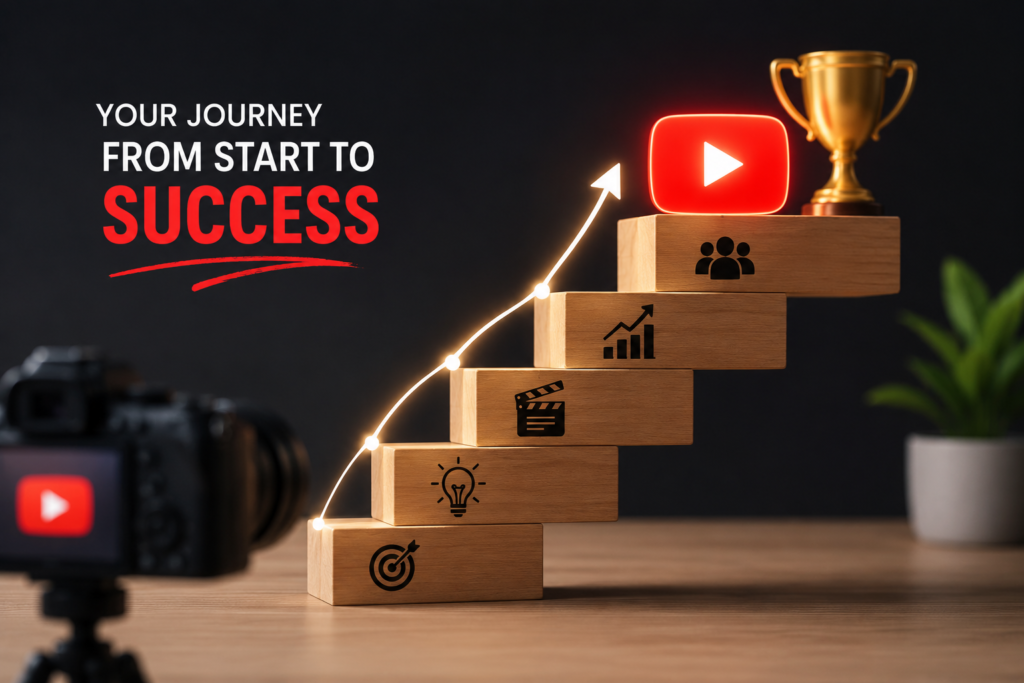
Ready to start? Here are some concrete steps:
- Define Your Mission and Goals. Why are you starting a channel? Are you teaching, entertaining, or solving problems? Having a clear purpose will guide everything you do.
- Pick Your Content Type (Niche). Decide what kind of videos you’ll make (tech reviews, comedy, vlogs, tutorials, etc.). Choose a theme you’re passionate about, because you’ll stick with it long-term.
- Set Up Your Channel. Create your YouTube channel with a professional name and custom banner. Write an ‘About’ section using relevant keywords (like “YouTube creator,” “career on YouTube”) to help people find you.
- Brand Yourself. Develop a consistent look and feel: channel logo, thumbnail style, color scheme, and video intro. A strong, consistent brand helps viewers recognize and remember your videos.
- Plan Your Content and Distribution. Make a schedule you can keep for example, one video every week or two. Research topics your audience cares about, and use SEO (titles, tags, descriptions) so your videos are discovered. Share your videos on social media or blogs to reach more people.
- Join the YouTube Partner Program. After you hit 1,000 subscribers and 4,000 watch-hours in the past year, apply to monetize your channel. Once approved, you’ll earn ad revenue. Meanwhile, even before that, you can explore affiliate links or small sponsorships to start earning.
Following these steps builds a solid foundation. Think of them as a checklist: as you tick each box, you’re growing from hobbyist to a serious creator.
Monetization Strategies
Making money on YouTube happens through multiple channels. Common strategies include:
- Google AdSense (YouTube Partner Program): Once approved (1K subs, 4K hours), you earn a share of ad revenue from your videos.
- Brand Sponsorships: Companies pay you to feature or review their products. As your audience grows, sponsorship deals often outpace ad revenue.
- Affiliate Marketing: Promote products and include affiliate links in your description. You earn a commission on sales generated from your link.
- Merchandise & Products: Sell your own branded goods (t-shirts, stickers) or digital products (online courses, e-books). This can be very lucrative if you have a dedicated fan base.
- Channel Memberships & Super Chat: Fans can join as paid members (for perks like badges) or pay during live streams (Super Chat). This is direct fan support.
- YouTube Premium Revenue: If Premium subscribers watch your content, YouTube pays you a cut of their subscription fee.
In practice, smart creators use all of the above. As one guide summarizes: YouTubers earn through “ads on their videos, sponsorships, membership services, and many other methods”. Relying on just one source is risky; instead, diversify early so you have multiple income streams.
Long-Term Sustainability
A sustainable career means planning for the long haul. Key tips include:
- Diversify Income: Don’t depend only on ads. Incorporate merch, courses, Patreon or affiliate links. That way, if one revenue source dips, others can carry you.
- Adapt to Change: YouTube’s rules and trends change frequently. Keep learning (watch official updates, attend creator workshops) and adjust your content and strategy accordingly.
- Invest in Quality: As you earn, reinvest in your channel. Improve your gear (camera, mic, lighting), learn better editing techniques, or hire help if needed. Better quality can attract more viewers.
- Build Community: A loyal audience is your long-term asset. Encourage viewers to subscribe, comment, and share. A strong community often leads to consistent watch time and word-of-mouth growth.
In essence, treat YouTube as a business: set goals, track your progress with analytics, and continuously innovate. The creators who last (and profit) the longest are those who planned ahead and stay flexible.
Many creators find YouTube so enticing because of the freedom and fun it offers. A happy YouTuber recording in a home studio (as shown above) illustrates the creative appeal. According to NexTech Ads India and other experts, this combination of creativity, independence, and potential reach is what draws people into YouTube careers.
Community and Support
Remember, you’re not alone on this journey. Building a support network can make a huge difference:
- Engage With Your Viewers: Reply to comments, ask questions, and show appreciation. Viewers stick around when they feel heard. For example, pinning a fan’s comment or answering a question in the next video turns casual viewers into loyal fans.
- Collaborate with Fellow Creators: Teaming up with other YouTubers (even local ones from India) can boost your visibility. Collaboration videos tap into each other’s audiences and foster goodwill.
- Join Creator Communities: There are many online forums and groups (like YouTuber subreddits, Facebook groups, WhatsApp circles) where creators share tips and feedback. Attend free webinars, local YouTube meetups, or mentorship programs. As Mindgroom notes, workshops and mentoring can sharpen your skills.
- Stay Informed: Use resources like Google’s YouTube Creator Academy, blogs, and channels about YouTube strategy. (Yes, even our own NexTech Ads India blog!) Continuous learning is part of the process.
A strong community and good guidance help when things get tough. Seek out fellow Indian creators too – they understand the local audience and challenges.
Why Becoming a YouTuber is So Enticing
Let’s be honest: being a YouTuber sounds amazing. You get to share your passion, connect with fans, and potentially earn money without a boss. That dream of turning a hobby into a career is intoxicating. Many folks – including us at NexTech Ads India – hear creators say it feels like freedom and fun. Stories like “a kid uploads a song and becomes a star” fire up imaginations. (Remember, even global stars like Justin Bieber were discovered on YouTube.) For young people especially, YouTube offers a path to express themselves and potentially escape traditional job constraints. It’s the idea that “I can just film what I love and people everywhere might watch” that makes YouTube so attractive as a career.
How long before I start earning?
There’s no fixed timeline. First, you must reach YouTube’s monetization criteria (1,000 subscribers and 4,000 watch-hours in 12 months). Depending on your niche and consistency, hitting that can take anywhere from a few months to a year or more. Even after that, ad revenue starts small. Many creators say it took 1–2 years of regular uploads before they saw significant income. So plan on patience: view the first year as learning, not payday.
Do I need fancy gear to start?
Not at all. Start with what you have – even a smartphone is fine. Good content and clear audio matter most. WebVeda reminds us “you don’t need a DSLR” to start, but also “potato-quality videos won’t cut it”. Aim for decent lighting, clear sound (a simple lapel mic helps), and steady video. Upgrade your camera or mic after you grow, not before.
Can YouTube be a full-time career in India?
Yes, it can be – and many Indians do it. As we saw, top creators in India are making careers (and significant incomes) from YouTube. The key is having enough viewers and revenue streams. WebVeda notes YouTube can be a full-time career with the right strategy and consistency. Realistically, many start it part-time (alongside studies or a job) and shift full-time when their income stabilizes. It’s wise to build a financial cushion first, then transition as YouTube income rises.
How do I apply for a YouTube moderator job?
YouTube often lists content moderator positions on its official careers page. Job portals (Naukri, LinkedIn, etc.) may also list “YouTube Moderator” roles. Those jobs usually require good language skills and a sense of community guidelines. Keep an eye on YouTube’s Careers section for openings.
What is the average YouTube career salary?
Earnings vary wildly. Mindgroom points out that top YouTubers can earn substantial incomes, while smaller channels earn modestly. In India, a mid-level creator might make from a few lakhs to crores annually, depending on niche and views. But many channels (especially new ones) earn only a few thousand rupees a month initially. There’s no single “salary” – it depends on views, CPM (Indian CPMs can be lower than Western rates), and deals. So don’t expect a fixed paycheck; plan a budget around the income you actually generate.
Can you work YouTube jobs from home?
Absolutely. Creating YouTube content, editing videos, moderating comments, or even consulting on channels – all of these can be done remotely. The pandemic proved that most digital jobs can be home-based. Content moderation/review jobs are entirely online, and even brand collaborations happen via Zoom or email. This flexibility is one of the perks of a YouTube career or related role.
How do I become a YouTube content reviewer?
Look for positions on YouTube’s official career site or on job portals like LinkedIn and Naukri. They occasionally hire “Content Reviewers” or “Content Moderators.” Having prior experience in moderation, familiarity with community guidelines, or even related roles (like social media moderation) will help. It’s a niche career path but one that exists if you’re more interested in policy than camera time.
How often should I upload videos?
Consistency is crucial. Aim for at least one video per week if possible. WebVeda notes that weekly uploads are expected by the algorithm. If weekly is too much, do two per month — just stick to it. The idea is to keep your audience engaged and signal to YouTube that your channel is active. Erratic schedules (like posting 5 videos one month and then silence for two) will slow growth.
Do I need a large subscriber count to start earning?
You need at least 1,000 subscribers to join AdSense, but beyond that, focus on views and engagement. A smaller niche channel with 2,000 subs can start making money from affiliate links or small brand deals early. However, stable ad revenue generally requires tens of thousands of subs in India. The key is audience engagement: even a few hundred active followers are more valuable than 10,000 disinterested ones. Build genuine viewership and subscriptions will follow.
How do I stand out among the competition on YouTube?
Find your unique angle and provide value. Do thorough keyword research – create videos that answer real questions people have. Use clear, intriguing titles and thumbnails that highlight the benefit or intrigue of the video. Show your personality: authenticity and passion help viewers connect. Engage viewers with hooks in the first 30 seconds (many drop off early). Always ask yourself: “What problem am I solving or emotion am I providing?” If you consistently help or entertain, and optimize for search (SEO), you’ll rise above much of the noise.
Frequently Asked Questions
How long before I start earning? There’s no fixed timeline. First, you must reach YouTube’s monetization criteria (1,000 subscribers and 4,000 watch-hours in 12 months). Depending on your niche and consistency, hitting that can take anywhere from a few months to a year or more. Even after that, ad revenue starts small. Many creators say it took 1–2 years of regular uploads before they saw significant income. So plan on patience: view the first year as learning, not payday.
Do I need fancy gear to start? Not at all. Start with what you have even a smartphone is fine. Good content and clear audio matter most. WebVeda reminds us “you don’t need a DSLR” to start, but also “potato-quality videos won’t cut it”. Aim for decent lighting, clear sound (a simple lapel mic helps), and steady video. Upgrade your camera or mic after you grow, not before.
Can YouTube be a full-time career in India? Yes, it can be and many Indians do it. As we saw, top creators in India are making careers (and significant incomes) from YouTube. The key is having enough viewers and revenue streams. WebVeda notes YouTube can be a full-time career with the right strategy and consistency. Realistically, many start it part-time (alongside studies or a job) and shift full-time when their income stabilizes. It’s wise to build a financial cushion first, then transition as YouTube income rises.
How do I apply for a YouTube moderator job? YouTube often lists content moderator positions on its official careers page. Job portals (Naukri, LinkedIn, etc.) may also list “YouTube Moderator” roles. Those jobs usually require good language skills and a sense of community guidelines. Keep an eye on YouTube’s Careers section for openings.
What is the average YouTube career salary? Earnings vary wildly. Mindgroom points out that top YouTubers can earn substantial incomes, while smaller channels earn modestly. In India, a mid-level creator might make from a few lakhs to crores annually, depending on niche and views. But many channels (especially new ones) earn only a few thousand rupees a month initially. There’s no single “salary” it depends on views, CPM (Indian CPMs can be lower than Western rates), and deals. So don’t expect a fixed paycheck; plan a budget around the income you actually generate.
Can you work YouTube jobs from home? Absolutely. Creating YouTube content, editing videos, moderating comments, or even consulting on channels all of these can be done remotely. The pandemic proved that most digital jobs can be home-based. Content moderation/review jobs are entirely online, and even brand collaborations happen via Zoom or email. This flexibility is one of the perks of a YouTube career or related role.
How do I become a YouTube content reviewer? Look for positions on YouTube’s official career site or on job portals like LinkedIn and Naukri. They occasionally hire “Content Reviewers” or “Content Moderators.” Having prior experience in moderation, familiarity with community guidelines, or even related roles (like social media moderation) will help. It’s a niche career path but one that exists if you’re more interested in policy than camera time.
How often should I upload videos? Consistency is crucial. Aim for at least one video per week if possible. WebVeda notes that weekly uploads are expected by the algorithm. If weekly is too much, do two per month just stick to it. The idea is to keep your audience engaged and signal to YouTube that your channel is active. Erratic schedules (like posting 5 videos one month and then silence for two) will slow growth.
Do I need a large subscriber count to start earning? You need at least 1,000 subscribers to join AdSense, but beyond that, focus on views and engagement. A smaller niche channel with 2,000 subs can start making money from affiliate links or small brand deals early. However, stable ad revenue generally requires tens of thousands of subs in India. The key is audience engagement: even a few hundred active followers are more valuable than 10,000 disinterested ones. Build genuine viewership and subscriptions will follow.
How do I stand out among the competition on YouTube? Find your unique angle and provide value. Do thorough keyword research create videos that answer real questions people have. Use clear, intriguing titles and thumbnails that highlight the benefit or intrigue of the video. Show your personality: authenticity and passion help viewers connect. Engage viewers with hooks in the first 30 seconds (many drop off early). Always ask yourself: “What problem am I solving or emotion am I providing?” If you consistently help or entertain, and optimize for search (SEO), you’ll rise above much of the noise.
In summary, YouTube can be a good career, but it’s a marathon, not a sprint. It offers amazing freedom and potential, especially in India’s rapidly growing market. Yet it also demands creativity, consistency, and business-savvy. We at NexTech Ads India see both sides of this journey every day: the excitement of growing channels and the challenges of keeping them going. If you’re passionate and ready to learn, YouTube can become a sustainable, rewarding path. Otherwise, it might best remain a creative hobby. Either way, this guide has given you the big picture now the next step is your choice. Good luck, creators!
Sources: Industry reports and creator guides.